Fertility and Family Planning: Essential Pre-Pregnancy Health Checklist

What checklists are required to evaluate physical health prior to conception, and why are they crucial?

A healthy pregnancy and the baby’s future health depend on preparing the body and mind before conception. Fertility and family planning is a comprehensive approach that encompasses the proper timing, a healthy lifestyle and precautions; it is not just about getting pregnant. Prior to conception it is crucial to take into account a number of factors, including nutrition, hormonal balance, mental health, lifestyle choices and required medical examinations. 

The Pre-Pregnancy Health Checklist in this blog provides a clear and useful explanation of the key points that every couple should be aware of and adhere to. With the help of this checklist, which helps establish a strong foundation for a healthy pregnancy, you will be ready to confidently move on to the next phase of family life.

Table Of Contents

What is a Pre-Pregnancy Health Checklist?

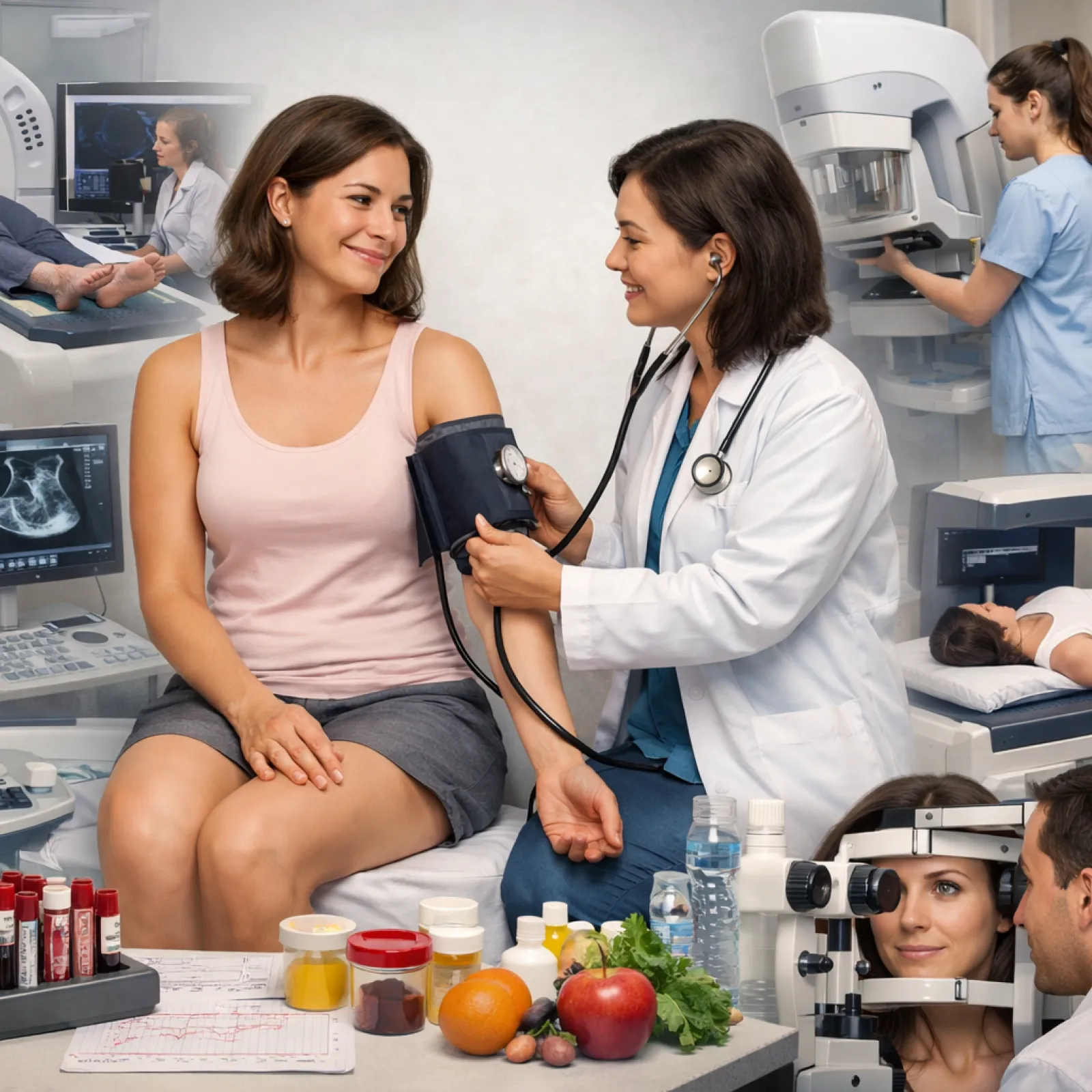
The Pre-Pregnancy Health Checklist is a set of essential procedures and assessments that help guarantee a woman’s body and mind are in good condition prior to conception. It covers the medical examinations, dietary adjustments, lifestyle modifications and mental health services required to attain ideal health for pregnancy.

By adhering to this checklist, pregnancy complications can be decreased, hormonal balance can be improved and the mother’s and the unborn child’s health can be strengthened. For those who wish to safely plan for pregnancy and family planning, it is very helpful.

Why are Pre-Conception Checklists Crucial?

The key to a safe pregnancy and a healthy child is preparing your body and mind for pregnancy. The Pre-Conception Checklist is a thorough guide to assist you in identifying and managing potential health issues associated with future pregnancies, not just a list of tests. 

By using these checklists you can detect pregnancy-related issues early on, including infections, chronic illnesses, nutritional deficiencies and hormonal imbalances. This enables you to begin treatment and make lifestyle adjustments prior to conception. 

Additionally, maintaining a healthy weight, mental well-being, a balanced diet and good habits can foster an environment that is favourable to your unborn child’s development.

Important Pre-Pregnancy Checklists

Make an appointment for a preconception check-up:

Before conceiving, it is essential to visit a licensed doctor or gynaecologist for a consultation to prevent the adverse effects of pregnancy. While performing this test, we’ll check your health, carry out the tests and give you medical advice.

Have vitamins before getting pregnant:

Prenatal vitamins must be taken before becoming pregnant to safeguard the mother’s and unborn baby’s health. Getting the right amount of nutrients, including calcium, iron, and folic acid, will help develop the foetus.

Give priority to mental and physical health:

Before conceiving, it is essential to be both mentally and physically healthy. To alleviate mental stress, engage in yoga and meditation, sleep adequately, maintain weight and eat a balanced diet.

Eat well:

It is important to eat healthily during and before your pregnancy. Make sure to eat plenty of fruit, vegetables, proteins and whole grains.

Review your monthly cycle:

Monitoring your menstrual cycle and regularity before pregnancy can help you understand your health and fertility. Any changes in your period? Call your doctor if you see any unusual things!

FAQ

You can prepare your body and mind for pregnancy by using a checklist. It can help you assess your nutrition, health tests and lifestyle decisions.

A thorough examination with your physician should ideally take place at least three to six months before you begin trying to conceive.

From the moment you begin trying to conceive, you can take prenatal vitamins, which include folic acid.

Start typing and press Enter to search

إتصل لحجز موعد