


Choosing the Right Dental Implant Material: A Comprehensive Guide
Picking a material for your new smile isn’t just a technical detail. It’s the difference between a lifetime of comfort and a series of expensive repairs. When you’re looking for a dental implant material, you’re basically deciding what becomes a permanent part of your jaw. It has to be tough, safe, and look real.
At SFC Oman, we see patients every day who feel lost in the jargon of titanium versus ceramics. Let’s cut through the noise.
Table Of Contents
Why the Material Choice Matters for Your Jaw
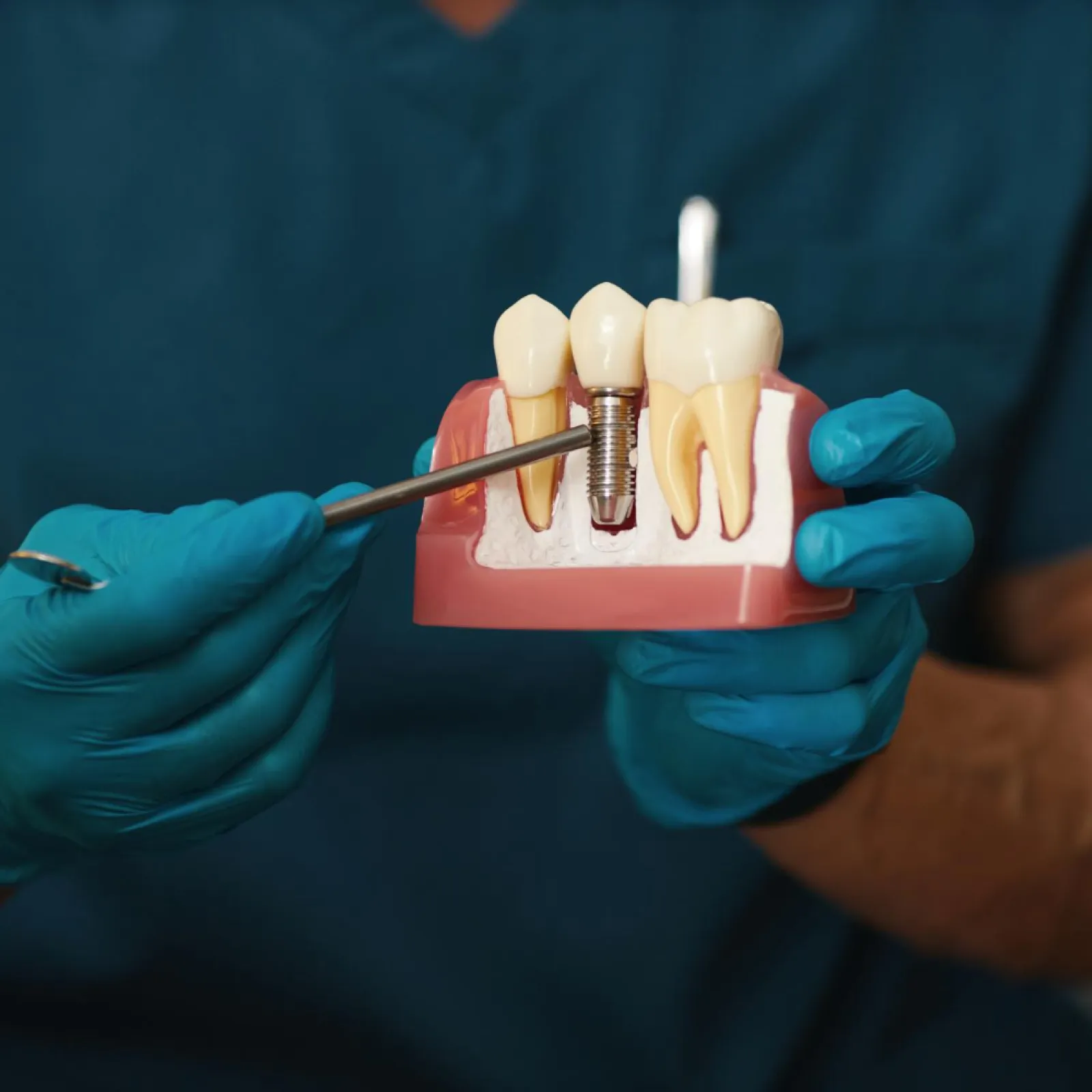
Think of an implant as a tiny screw that replaces your tooth root. It doesn’t just sit there; it actually fuses with your bone in a process called osseointegration. If the material is wrong, your body won’t accept it.
The two big players in the industry are titanium and zirconia. Titanium has been the “gold standard” for over 40 years. It’s incredibly strong and rarely fails. On the other hand, zirconia is a newer, metal-free ceramic that’s winning over people who want the most natural look possible.
Is Titanium Still the Best Dental Implant Material?
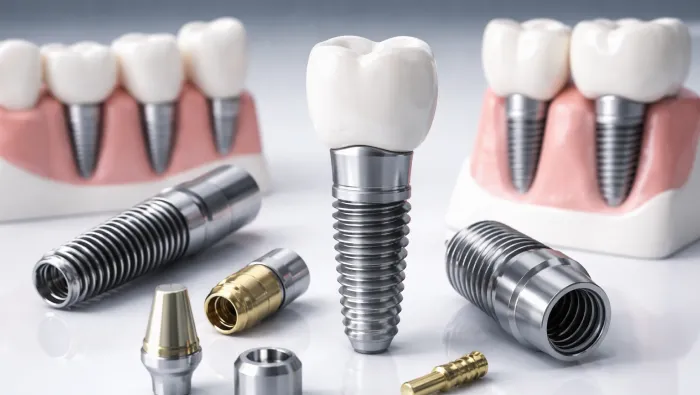
The short answer? For most people, yes. Titanium is a biocompatible metal used in everything from space shuttles to hip replacements. It’s flexible enough to handle the pressure of heavy chewing but stiff enough to stay put.
- Pros: It’s almost impossible to break.
- Cons: In rare cases of thin gums, a tiny hint of grey metal might show at the gum line.
What About Zirconia?
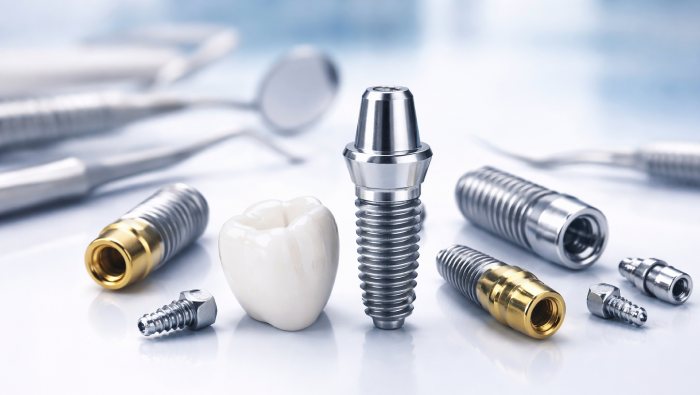
If you’re worried about metal allergies or want a “holistic” approach, zirconia is your go-to. It’s a white, tooth-coloured ceramic. Because it’s one solid piece, there’s no metal to peek through your gums. It also tends to attract less plaque than metal.
However, Zirconia is more brittle. If you grind your teeth at night, it might not be the best choice for back molars.
How to Decide What’s Right for You
Choosing doesn’t have to be a headache. Your dentist will look at your bone density, where the tooth is missing (front vs. back), and your budget.
Don’t do “one size fits all” because your mouth isn’t a carbon copy of someone else’s. Use digital imaging to see exactly what your jaw can handle before we even talk about materials.
Final Thoughts
At the end of the day, the best material is the one that lets you eat, speak, and smile without thinking about it. Are you leaning toward the proven track record of titanium or the aesthetic perfection of zirconia?
FAQ
It’s super rare, but it happens. Some people have a sensitivity to the nickel or alloys in titanium. If you’ve ever had a skin reaction to cheap jewelry, tell your dentist. Zirconia is a great, hypoallergenic alternative in those cases.
Not at all. Once it heals, you won’t feel the implant itself. It becomes part of your bone. You might feel the porcelain crown on top, but it’ll feel just like your natural teeth within a few days.
Titanium has decades of data proving it can last a lifetime. Zirconia is newer, so we don’t have 50-year studies yet, but current 10-year data shows it’s holding up remarkably well.
Generally, zirconia costs a bit more. The manufacturing process for ceramic is more complex than milling metal. But for many, the “invisible” look of ceramic is worth the extra Omani Rials.
