


Bleeding Gums: Causes, Treatment, and When to See a Dentist
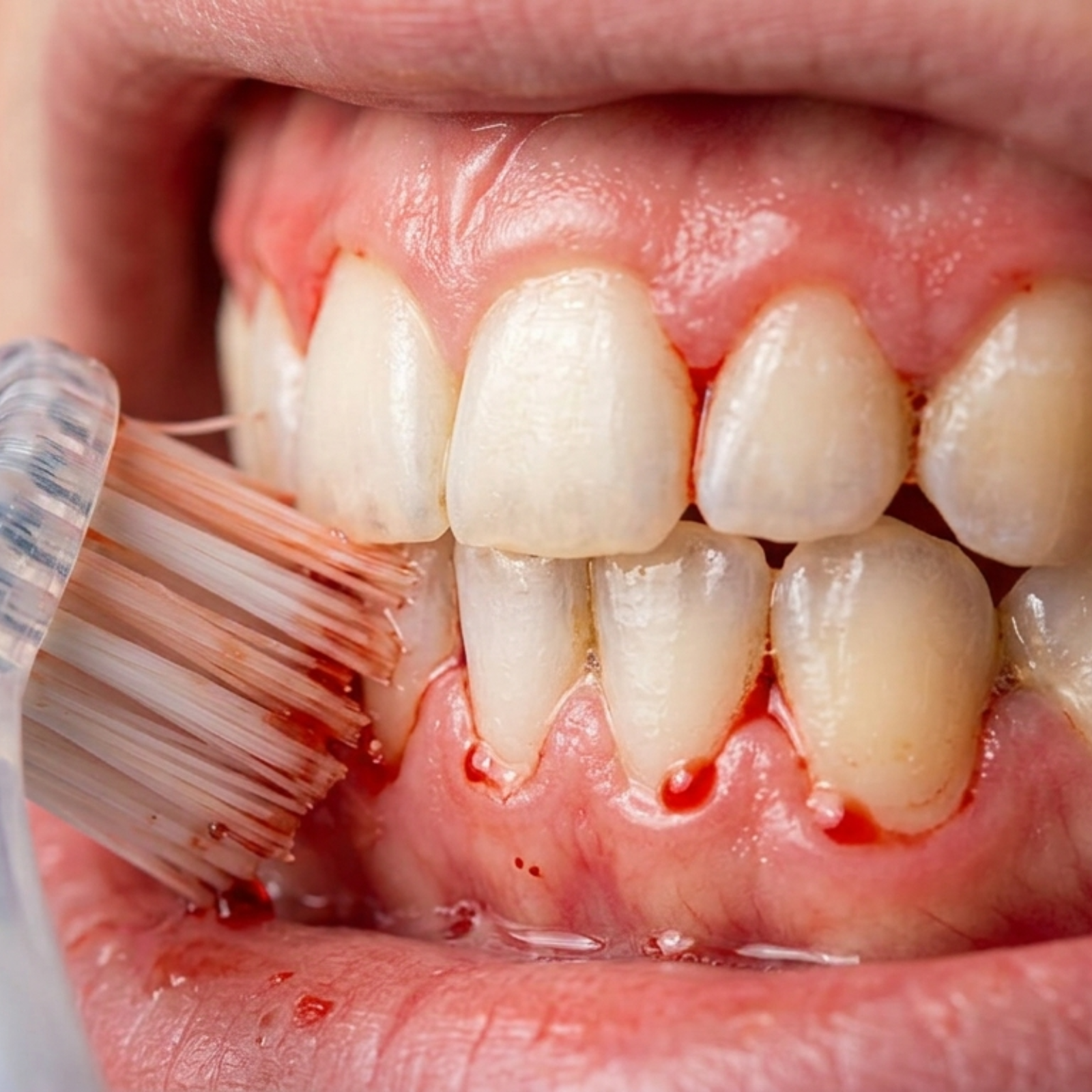
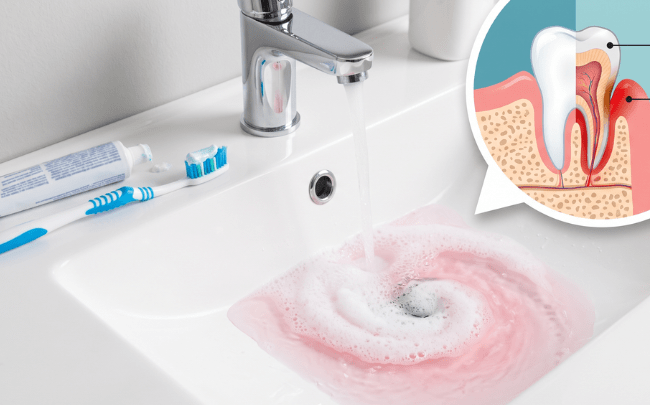
You spit toothpaste into the sink and notice pink swirling into the white foam. That’s bleeding gums, and it’s one of the most common early warning signs in dentistry, yet most people brush past it, literally, for weeks before asking anyone about it. A little blood after flossing isn’t automatically an emergency, but it’s rarely nothing either, and getting bleeding gums treatment sorted early is almost always simpler than waiting for it to progress into something that needs deeper work.
Gum tissue is supposed to sit snug against your teeth without weeping blood at the first touch of a toothbrush bristle. When it bleeds, the tissue is inflamed, and inflammation has a cause. Sometimes the cause is a rough new toothbrush. Sometimes it’s the early chapter of a disease that quietly eats away at the bone holding your teeth in place.
What are the Gum Disease Symptoms Worth Paying Attention To?
Bleeding is rarely the only clue. Gums that look puffy or darker red than usual, tenderness when you bite into something firm, and a faint metallic taste in the mouth often show up alongside it. Bad breath that doesn’t clear after brushing is another one people mention almost as an afterthought, not realizing it belongs to the same picture.
The gum disease symptoms list tends to build gradually. Gingivitis, the mildest form, causes redness and bleeding but no bone damage yet. Left alone, it can progress into periodontitis, where the supporting bone starts to recede and teeth can loosen over time. According to the Centers for Disease Control and Prevention, about four in ten U.S. adults aged 30 or older have some level of periodontitis, and the rate climbs further with age. Oman doesn’t publish the same national dataset, but the biological process behind the disease works identically everywhere.
What's Actually Causing the Bleeding?
Plaque buildup along the gumline is the usual starting point. It’s a sticky film of bacteria that forms daily on tooth surfaces, and if brushing and flossing don’t clear it out, it hardens into tartar within a couple of days. Tartar can’t be brushed away at home. It needs professional scaling to remove.
A few other things push gums toward bleeding even when hygiene is decent. Pregnancy hormones make gum tissue more reactive to plaque. Certain blood pressure medications and blood thinners do the same. Vitamin C or vitamin K deficiency, uncontrolled diabetes, and heavy smoking all show up repeatedly as contributing factors, and the National Institute of Dental and Craniofacial Research lists several of these alongside plaque as the primary drivers of gum disease.

Swollen Gums as a Separate Warning Sign
Swelling and bleeding usually travel together, but not always in equal measure. Some patients have gums that look puffy and rounded at the edges with barely any bleeding, particularly in the early stages. Others bleed heavily with only mild swelling. Either pattern points toward inflammation that a dentist needs to look at directly, since the visible symptom doesn’t always match the severity underneath.
Pressing a fingertip gently against the gumline and watching for indentation or bleeding is a rough home check, though it’s no substitute for a periodontal exam with a probe, which measures pocket depth around each tooth in millimeters.
Bleeding Gums Treatment Options
Treatment depends entirely on how far the inflammation has progressed. For straightforward gingivitis, a professional cleaning combined with a stricter brushing and flossing routine at home is often enough to reverse it within a couple of weeks. For periodontitis, scaling and root planing goes deeper below the gumline to remove tartar from root surfaces, sometimes done in sections over more than one visit.
Al Bushra’s dental team provides periodontal treatment, scaling and polishing, and periodontal laser therapy as part of routine dental care, alongside panoramic imaging that helps identify bone loss a visual exam alone might miss. Where crowded or misaligned teeth are trapping plaque in hard-to-reach spots, a referral to the practice’s orthodontic services sometimes forms part of the longer-term plan, since straighter teeth are simply easier to keep clean.
When Do a Few Days of Bleeding Become a Reason to Visit?
Occasional light bleeding after a rough flossing session usually settles within a week of gentler, more consistent care. Bleeding that persists beyond that, gets heavier, or comes with loose teeth, receding gums, or pus at the gumline is a different situation and calls for an exam rather than waiting.
Anyone managing diabetes, taking blood thinners, or currently pregnant should mention gum bleeding to their dentist sooner rather than later, since these factors change how the gums respond to plaque and sometimes how treatment is sequenced.
Final Thoughts
Bleeding gums are your mouth’s way of flagging inflammation before it becomes something harder to reverse. Catching it at the gingivitis stage, when it’s fully treatable, comes down to noticing the pattern rather than dismissing a single pink-tinged rinse. If your gums have been bleeding for more than a week, when did you last have a professional cleaning?
FAQ
Gentle brushing shouldn’t cause bleeding on its own. If it’s happening anyway, there’s likely plaque or tartar sitting along the gumline that’s keeping the tissue inflamed. A professional cleaning usually settles this within a week or two once the irritant is actually removed.
Pregnancy hormones make gum tissue more sensitive to plaque, so mild bleeding is common and often called pregnancy gingivitis. It’s not something to ignore, though. Mention it to your dentist so they can adjust cleaning frequency and confirm nothing more serious is developing.
Very mild bleeding sometimes improves with better brushing and flossing habits alone. But if tartar has already built up, home care can’t remove it. A scaling appointment is usually what actually stops the cycle rather than brushing harder.
Gingivitis is gum inflammation without bone loss, and it’s fully reversible with treatment. Periodontitis goes further, damaging the bone that holds teeth in place, and while it can be managed, the bone loss itself doesn’t grow back on its own.
No, stopping usually makes it worse. Bleeding during flossing often means the gums are inflamed precisely where plaque is hiding, so that’s exactly where cleaning needs to continue. If bleeding doesn’t ease within a week of consistent flossing, get it checked.
