



Tooth Sensitivity: Causes, Treatments, and When to See a Dentist
A sharp jolt after a sip of iced water. A wince halfway through your morning coffee. Tooth sensitivity shows up in small, specific moments, and once it starts, it rarely fixes itself. The pain comes from exposed dentin, the layer beneath your enamel that houses tiny nerve channels. When that layer loses its protective covering, heat, cold, sweetness, or even a cold breeze can trigger a quick, electric ache.
Most people brush it off for months. That is usually the wrong call.
What Causes Tooth Sensitivity?
Enamel erosion is the most common trigger. Acidic drinks, aggressive brushing, and years of wear thin the outer layer of the tooth gradually, and dentin sits closer to the surface than it should. Gum recession plays a similar role from a different angle. As gum tissue pulls back, often from periodontal issues or a heavy-handed brushing habit, the root surface gets exposed. Roots have no enamel at all, so they respond fast to temperature changes.
Cracked teeth, worn fillings, and recent whitening treatments also cause temporary sensitivity. Grinding at night wears enamel down without the person ever noticing until the sensitivity starts. Diet matters too. Citrus, soda, wine, and vinegar-based foods soften enamel over time, and repeated exposure adds up even when each individual meal seems harmless.
According to research summarized by the American Dental Association, dentin hypersensitivity affects a large share of adults at some point, with prevalence often linked to gum recession and acid wear rather than decay.
Home Care That Actually Helps
Desensitizing toothpaste is the first line of defence for mild cases. These formulas work by blocking the tiny tubules in dentin that transmit temperature signals to the nerve, and most people notice a difference within two to four weeks of consistent use. A soft-bristled brush matters more than people expect. Hard bristles scrub away the surface layer that would otherwise protect the tooth, so switching brush type alone can slow the problem.
Cutting back on acidic drinks helps, but timing matters as much as quantity. Rinsing with water after having citrus or soda, rather than brushing right away, gives softened enamel time to reharden. Brushing immediately after an acidic drink can do more damage than the drink itself.
A night guard is worth discussing if grinding is part of the picture. Many people grind without knowing it, and a guard fitted by a dentist protects enamel while they sleep.
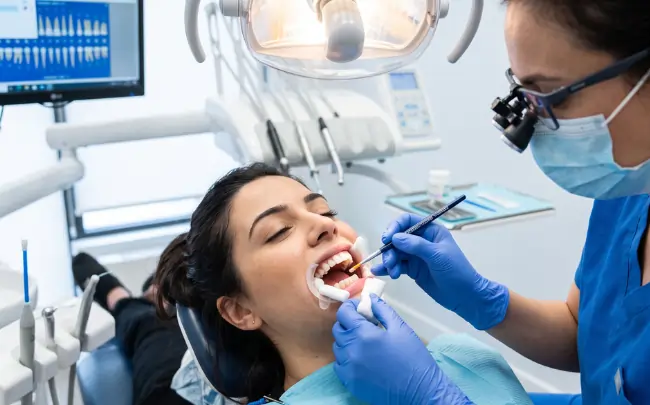
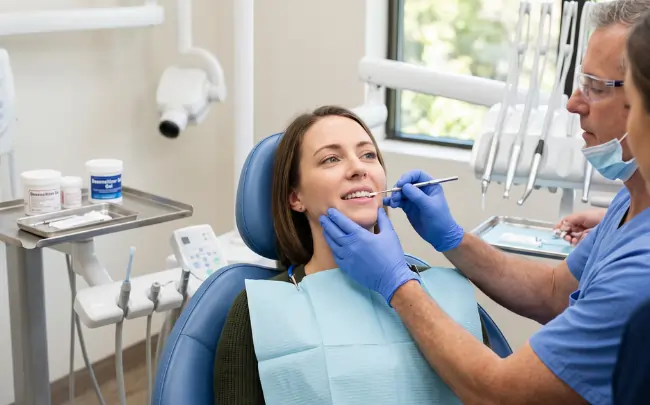
When Home Care Is Not Enough?
Sensitivity that lingers past a few seconds, or pain that shows up without any trigger at all, points to something beyond surface wear. A cracked tooth, a failing filling, or an exposed nerve needs a clinical exam, not another tube of toothpaste. Panoramic imaging is often the fastest way to see what home care cannot, since it shows root structure, bone level, and hidden decay in a single scan.
Al Bushra Dental Specialty Center in Muscat handles this kind of evaluation as part of its broader dental care, which spans preventive checkups, periodontal treatment, and restorative work. The clinic’s team also offers scaling and polishing for cases where buildup along the gumline is contributing to recession, and prosthodontic options such as crowns for teeth that have already lost enough structure to need reinforcement. For patients whose sensitivity traces back to a cracked or heavily worn tooth, that kind of structural repair matters more than any toothpaste switch.
Persistent sensitivity in one specific tooth, especially with any swelling or throbbing, is worth flagging early. Left alone, root exposure and untreated decay tend to get worse, not better, and catching the cause early usually means a simpler fix.
Final Thoughts
Tooth sensitivity is a signal, not a nuisance to ignore. Sometimes it is nothing more than a brush that is too firm or a habit worth adjusting. Other times it is the first sign of something that needs a dentist’s attention before it spreads. If the twinge has outlasted a few weeks of home care, or if it is limited to one tooth, that is the point where a clinical exam makes more sense than another round of desensitizing toothpaste. What has your sensitivity been like: a general ache across several teeth, or one tooth that keeps flaring up?
FAQ
Yes, cold air can trigger the same nerve response as cold drinks, especially if your gums have receded. People in colder climates or with strong air conditioning exposure sometimes notice it more in winter or in overly cooled rooms.
Sometimes, and it is usually temporary. Whitening agents can make teeth more reactive to temperature for a few days afterwards. If it lasts longer than a week or two, mention it to your dentist at your next visit.
Not always, but it can be. Early decay often shows up as sensitivity before any visible damage appears, which is exactly why an exam matters if the twinge does not fade on its own.
Most people notice improvement within two to four weeks of daily use. If nothing has changed after a month, that is a signal to book an exam rather than switch toothpaste brands again.
You do not necessarily have to cut it out. Rinsing with water afterwards and waiting before brushing helps more than eliminating it entirely, though very frequent acidic drinks can add up over time.
