Spotting Fertility Issues Before You Start Trying

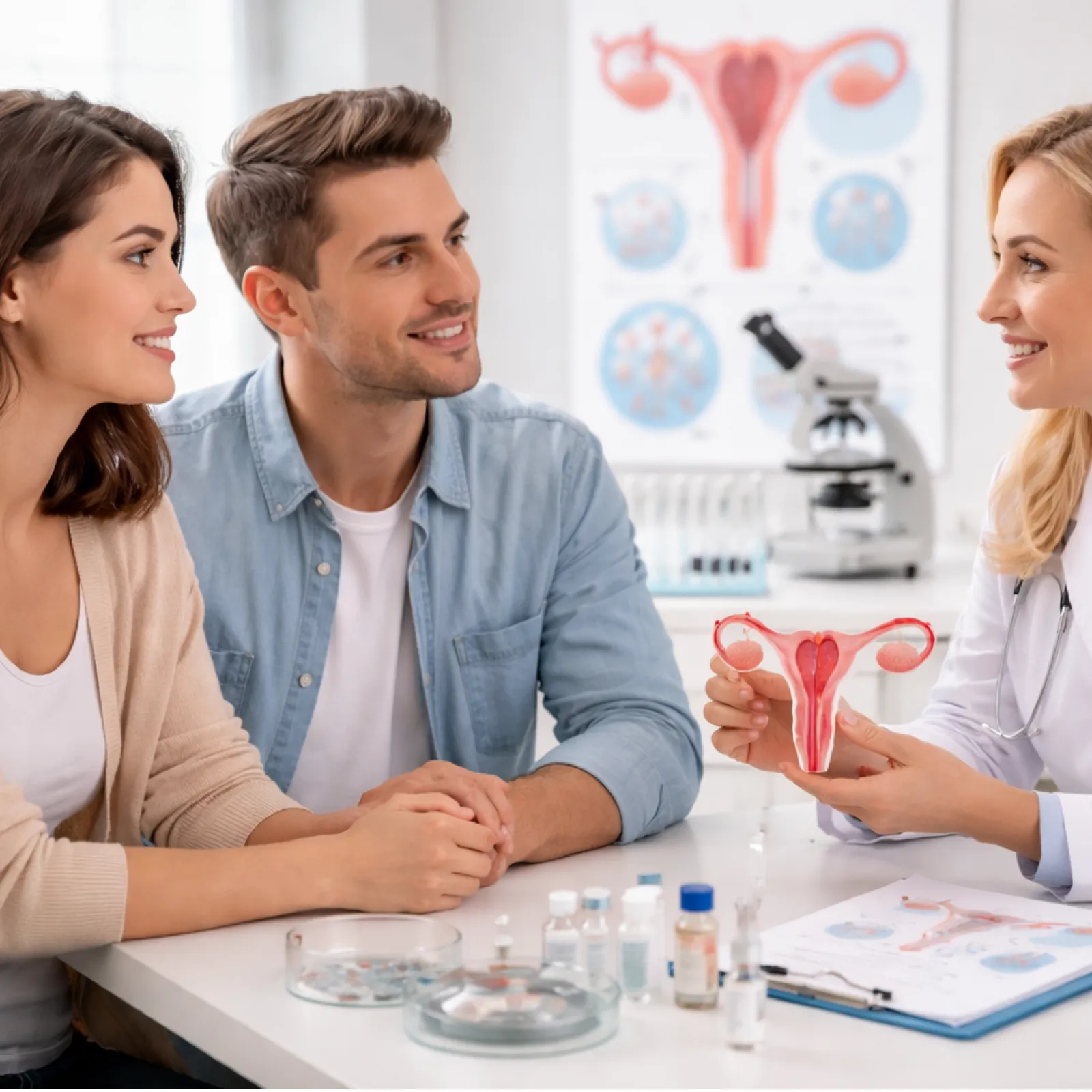
Waiting until you’ve spent a year trying to conceive isn’t always the best move. If you’re planning to start a family, spotting potential fertility issues early can save you months of stress and physical toll. Most people assume everything is fine until it isn’t, but your body usually drops hints long before you start tracking ovulation or counting days. Whether you’re in Muscat or anywhere else, understanding these red flags now is the smartest prep work you can do.
Table Of Contents
Can You Spot Fertility Issues Before Trying?
Yes, you can often identify potential hurdles by looking at your medical history, hormonal health, and lifestyle. While a formal diagnosis requires a specialist, your body provides clear signals like irregular cycles or chronic pain that suggest it’s time for a check-up.
Common Signs for Women
For women, the most obvious indicator is your period. It’s the “fifth vital sign” for a reason.
- ➤Irregular or absent cycles: If your period is a surprise every month or doesn’t show up at all, you might not be ovulating. This is a common hurdle linked to conditions like polycystic ovary syndrome (PCOS).
- ➤Heavy or painful periods: Dealing with debilitating cramps? This could point toward endometriosis or fibroids, both of which can impact how an egg travels or implants.
- ➤Hormonal shifts: Unusual hair growth, adult acne, or sudden weight changes are often signs of a hormonal imbalance that could affect your reproductive health.
Red Flags for Men
Men often think they’re off the hook until a pregnancy doesn’t happen, but male factor issues account for about half of all struggles.
- Physical changes: Pain, swelling, or lumps in the testicles shouldn't be ignored.
- Performance and drive: A significantly low libido or difficulty maintaining an erection can sometimes stem from low testosterone levels or other underlying health problems.
- Previous surgeries or trauma: If you had issues as a child, like undescended testicles, or underwent surgeries in the groin area, it’s worth getting a semen analysis early.
Understanding the Role of Age and Lifestyle
Age is the one factor we can’t change, but it’s the most significant. Female fertility begins a sharper decline in the mid-30s, primarily because egg quantity and quality dip. Men aren’t immune either; while they produce sperm throughout life, the quality can decline as they get older.
Lifestyle choices also leave a footprint. Smoking, excessive alcohol, and even high-stress environments can create temporary reproductive hurdles. If you’ve spent years in a high-stress job or have a history of certain infections, your baseline might be different than you expect.
Why a "Fertility Check-up" Beats Waiting
The old-school advice was to wait a year. We don’t subscribe to that anymore. If you’re over 35, the window is usually six months. If you have a known condition like PCOS or endometriosis, the window is zero. You should talk to a specialist before you even stop protection.
Modern diagnostics at a specialized clinic can look at things like your ovarian reserve or sperm morphology. These tests provide a roadmap. Instead of “trying and seeing,” you’re “knowing and planning.”
Proactive Steps You Can Take Now
Start with the basics. Get your BMI in a healthy range, as both being underweight and overweight can disrupt hormones. Start taking folic acid. Track your cycles for three months to see if there’s a pattern.
If you notice anything off, don’t wait. Places like SFC Oman offer comprehensive screenings that look at the whole picture from thyroid function to reproductive anatomy.
Final Thoughts
Knowledge is power, especially when it comes to your reproductive future. Do you feel like your body is sending you signals that something isn’t quite right?
FAQ
Strictly speaking, you can’t be 100% sure without testing. However, if you have regular periods, no history of STIs, and a healthy lifestyle, those are great signs. But remember, “looking healthy” doesn’t always mean everything is functioning perfectly under the hood.
You can use ovulation predictor kits (OPKs) to see if you’re ovulating, or track your basal body temperature. These are great for timing, but they won’t tell you if your fallopian tubes are clear or if sperm count is where it needs to be.
Moderate discomfort? Sure. Pain that puts you in bed for two days? No. If you’re relying on heavy painkillers just to get through your cycle, it’s a red flag for issues like endometriosis, which is a major factor in reproductive struggles.
It can. If you had certain surgeries, pelvic inflammatory disease, or even chronic conditions like poorly managed diabetes, it could play a role. It’s always better to disclose your full history to a specialist early on.